Blow into it.
Hear the magic.
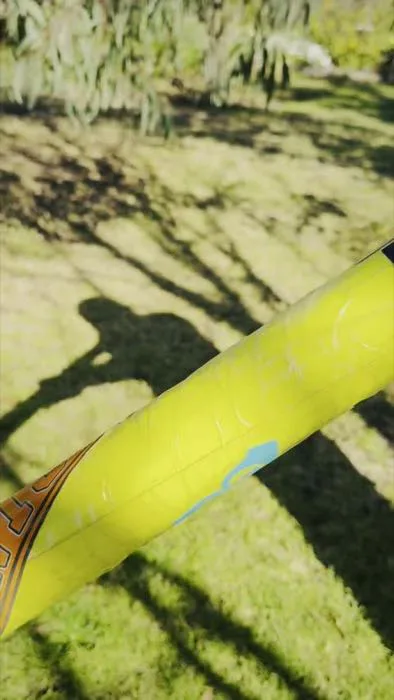
RooTube is a $0.90 cardboard tube that plays a real didgeridoo drone. No batteries. No electronics. No assembly. It retails at $5.99 — and buyers keep asking where the speaker is hidden.
There isn't one.
Thirty seconds.
One take.
One breath gives you a low, resonant drone. Lips and tongue give you the dingo call and the kangaroo hop. The acoustic mechanism needs zero setup — out of the wrapper, it works.
Four reasons this is a shelf product, not a science project.
A real instrument, not an effect
A rigid tube and a silicone lip guard that seals to about 30 mm for small mouths. The drone is acoustic. Nothing to charge, break, or explain.
Engineered for the checkout lane
A $5.99 hero SKU, better than $2 margin per unit, and a footprint the size of your hand. Built for impulse placement and small-footprint floor displays.
Proven, not hypothetical
INPEX medalist across three judged categories. It stops crowds at trade shows before anyone has read the packaging.
Every unit builds an owned list
A QR code unlocks free lessons from the inventor. Access costs one contact detail — email, mobile, or a social handle — and the licensor keeps it. Most novelty toys are one sale and gone.
Volume figures. Shorter runs cost more per unit. Colour and minor design changes do not move the number — which is the whole point of the licensing phase.
Colour is free. That is the licensing model.
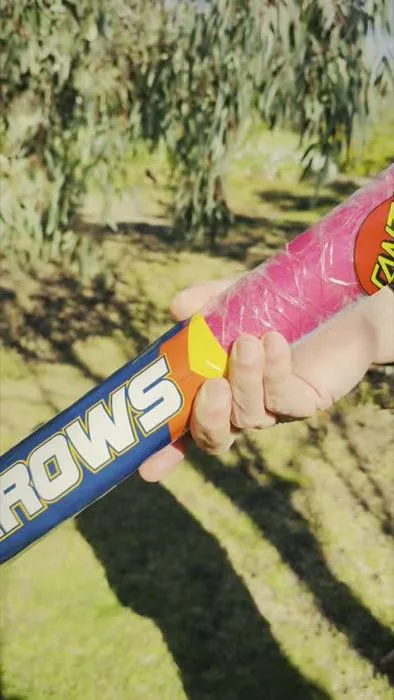
Launch a generic RooTube, then license the wrap. Sports teams, promotional editions, brand tie-ins — the tube is identical underneath and the cost structure does not flinch.
The trademarks, the lesson content and the contact list transfer with the product. Nothing is held back.
A rigid, air-filled tube is a losing bet on ocean freight.
Domestic manufacturing wins on landed cost alone — before the “Made in USA” line even starts working. US trademarks are in place and independently verifiable, ready for diligence.
A straight buyout, or a clean royalty deal. Nothing else.
This is not a raise. Patents and brand transfer in full. The inventor stays available as on-camera talent for launch and promotional content, on an optional ongoing commission — nothing more complicated than that.
Bill Tys — Inventor, RooTube · Full pitch deck and licensing term sheet on request.